


BROWSE OUR FULL CATALOG

FREE DOMESTIC SHIPPING
On most orders over $100

BORN & WIRED IN
BOULDER, CO
BROWSE OUR FULL CATALOG
FREE DOMESTIC SHIPPING
On most orders over $100
BORN & WIRED IN
BOULDER, CO


Our Latest & Greatest Products
New Releases
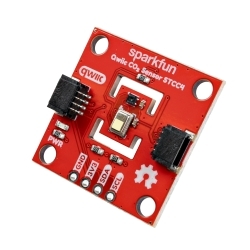
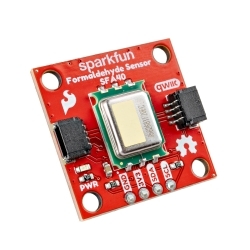


Best Sellers


Browse Top Electronics Categories
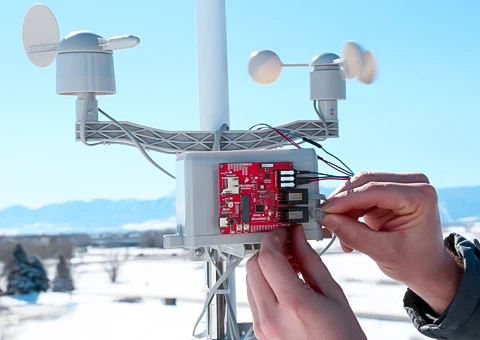
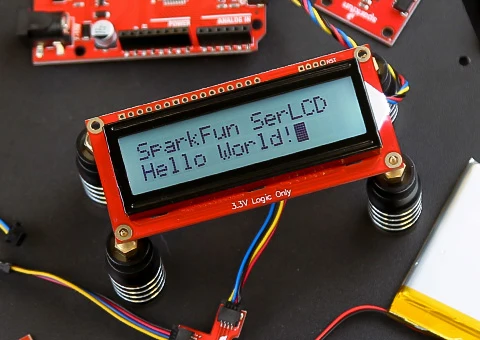
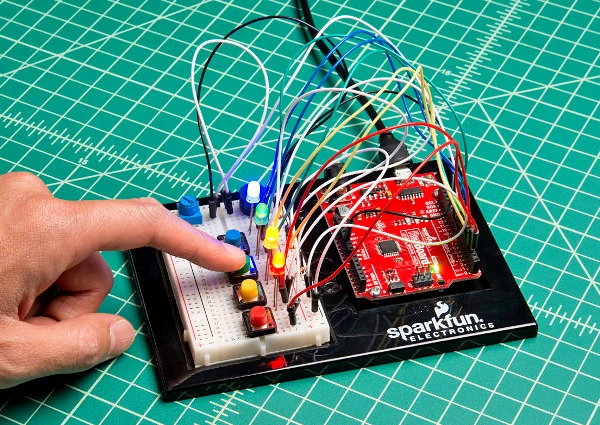
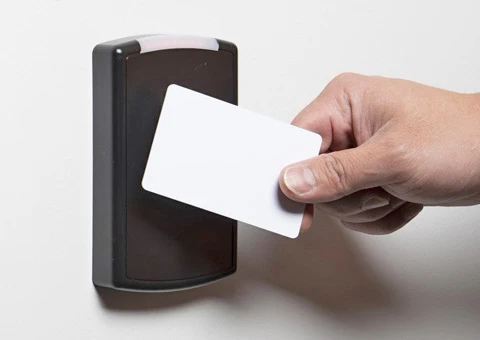

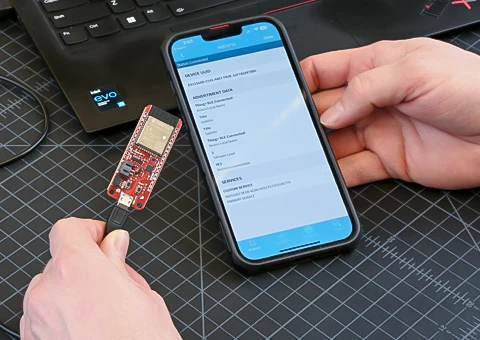
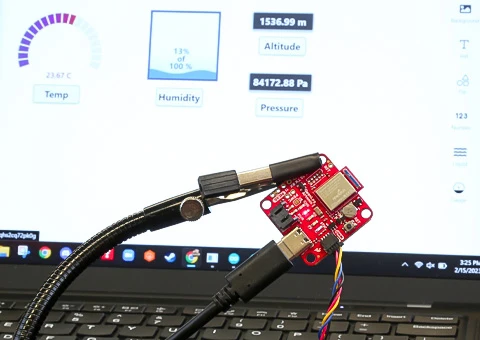
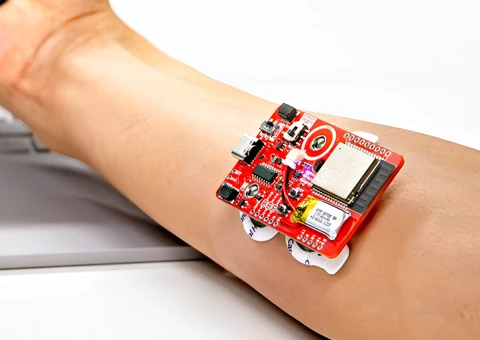

Prototyping and R&D Ecosytems






Latest Tutorials and Videos
Learn About Popular Electronics Topics



Build a Custom Kit
Our custom kit service may be perfect for virtual or in-person workshops or to support classroom activities/curriculum, our custom kits ensure you have the exact kit you need.
Specify the components you require, or we can work closely with you to define the necessary parts and develop a tailored experience based on your unique project. Once your kits are ready, we will either ship them to you or build a custom web page where your students/customers can purchase them directly from us.
Shop Featured Brands









It’s simple.
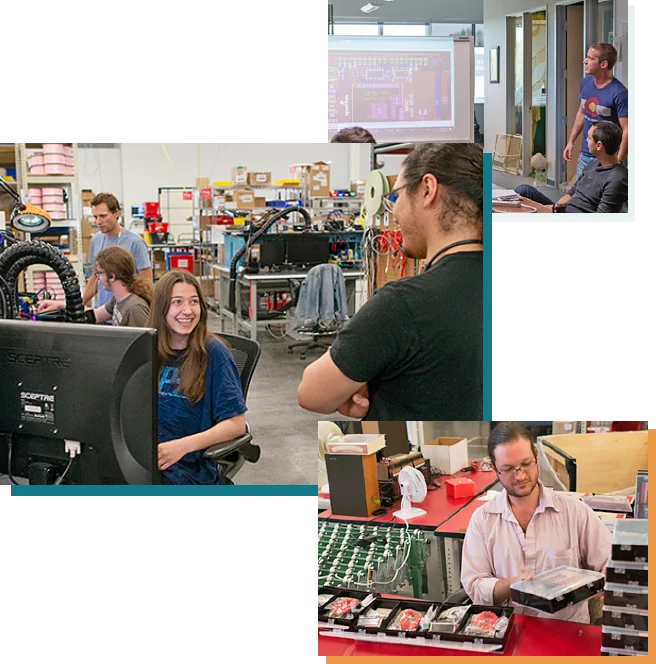
We believe new tech helps make great ideas happen.
We are dedicated to providing services, hardware, and documentation to make emerging tech easy to use and to save you time.